Residential Netting and Silt Fence Installation for Soil Control in Virginia Yards
Ground support and soil holding solutions for home outdoor areas
Netting and Silt Fence Setup for Home Soil Protection
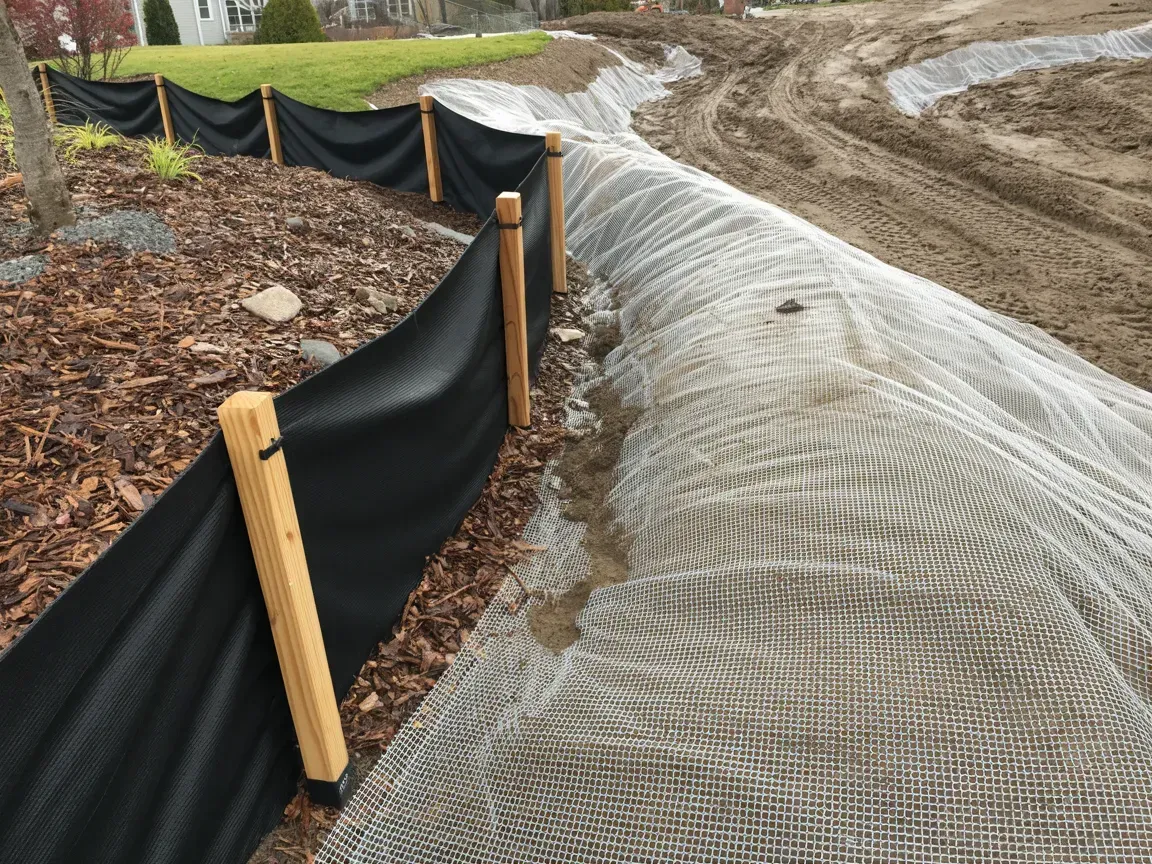
Netting and silt fence installation is a ground control method used in residential yards across Virginia by 1 Solution Hydroseeding and Landscapes, LLC. It helps keep loose soil in place during rain, digging work, and yard changes. Netting is a light mesh placed over soil areas to hold dirt together, while a silt fence is a fabric barrier placed along ground edges to slow water flow and trap soil. The process starts with checking the yard area and marking spots where soil may move. The ground is then cleared of leaves, stones, and loose dirt.
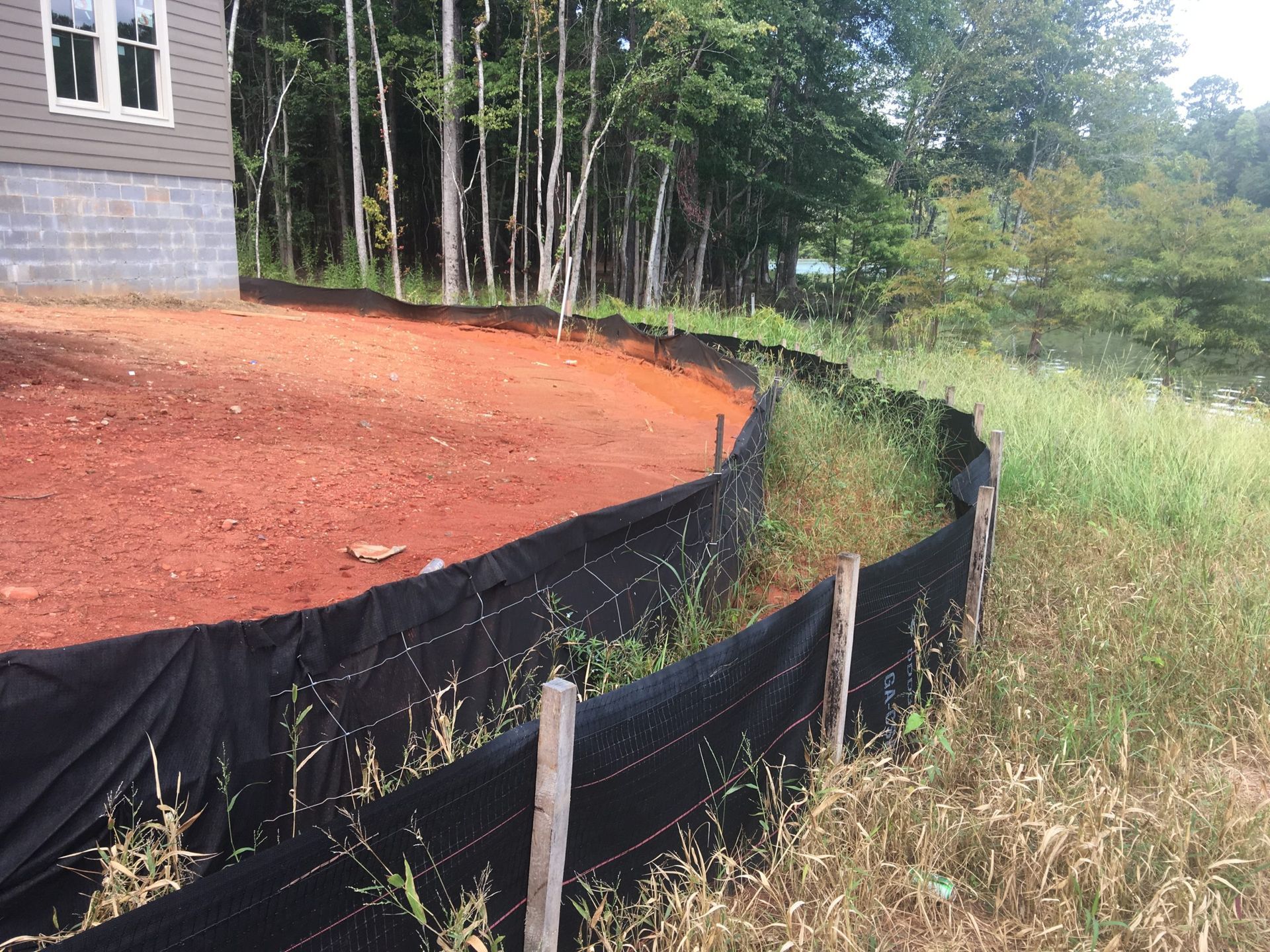
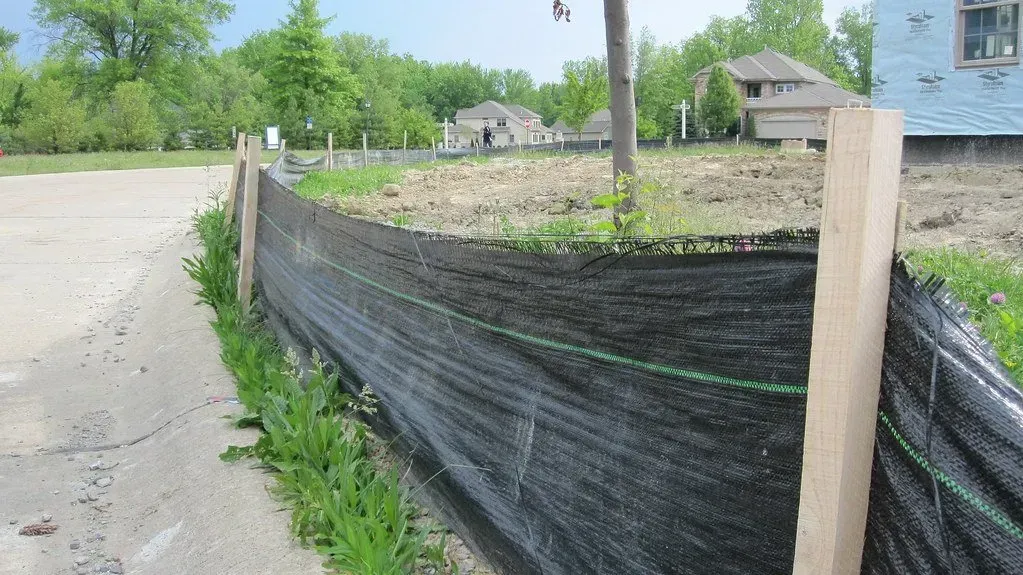
Posts are placed firmly into the soil, and netting or fabric is attached between them to form a steady barrier. This setup helps reduce soil washing into driveways, garden beds, and drainage paths. In many parts of Virginia, heavy rain can move soil quickly, so this system helps keep residential spaces more stable. The layout is adjusted based on yard slope and water direction. After setup, the area is checked to make sure the barrier stays firm.
Changes can be made if needed based on yard conditions. This type of ground support is useful for new lawns, garden projects, and small yard work areas. It helps maintain cleaner outdoor spaces and reduces soil movement during weather changes across Virginia homes and surrounding properties while improving yard stability.
Yard Soil Control Setup and Ground Protection Benefits
Netting and silt fence work helps support residential yards across Virginia by keeping soil in place and reducing ground movement during rain or yard activity.
🌿
Soil Hold Support:
Helps keep loose soil steady during rain and yard activity
💧
Water Flow Control:
Slows down water movement to reduce ground washout
🏡
Yard Protection Setup:
Helps protect driveways, gardens, and lawn edges from soil spread
🔧
Strong Ground Placement:
Posts and fabric are fixed to stay in place during weather changes
🌎
Clean Outdoor Spaces: Reduces mud build-up and helps keep yards neat in Virginia
1 Solution Hydroseeding and Landscapes, LLC
sets up ground barriers that help guide water flow and hold soil in place. The netting is placed over loose soil areas, while the fence is installed along edges where water may carry dirt away. The process begins by checking the yard layout and identifying areas that need soil support. The ground is then cleared and leveled so materials can be placed properly. Posts are installed to support the netting and fabric, making sure everything stays steady. This setup helps reduce soil movement into walkways, driveways, and garden spaces. It also helps lower muddy spots after storms and supports cleaner outdoor areas. This helps maintain safer and more stable yard conditions across Virginia homes.
Residential Netting and Fence Use for Soil Stability
Netting and silt fence use in residential yards across Virginia helps reduce soil movement and supports cleaner outdoor spaces for homes managed by 1 Solution Hydroseeding and Landscapes, LLC. It is used during yard work, garden setup, and areas where soil may move during rain. Netting is placed over loose ground to keep soil from spreading, while a fabric fence is set along edges to slow water flow. The process begins with a yard check to find areas where soil may shift.
After that, the ground is cleared of leaves, stones, and uneven spots to prepare for setup. Posts are placed into the soil to hold the material in position. The netting and fabric are then attached securely to form a steady barrier. This helps guide rainwater while keeping soil in place. It also helps reduce muddy areas and protects driveways, lawns, and garden beds. In Virginia yards, weather changes can cause soil to move, so this setup helps maintain better ground condition.
The system is planned based on yard size and slope so water flows in a controlled way. It also helps make yard maintenance easier over time by reducing cleanup after storms and supporting more stable outdoor ground conditions. It also helps prevent erosion, supports healthier grass growth, and keeps surrounding areas cleaner during heavy rainfall periods. This helps protect residential landscapes effectively.